
Goblin Commander Mistakes That Cost You Games
Avoid the Goblin Commander mistakes that make explosive decks fold to wipes, bad sequencing, and the wrong commander choice.

GrimDeck
·10 min read
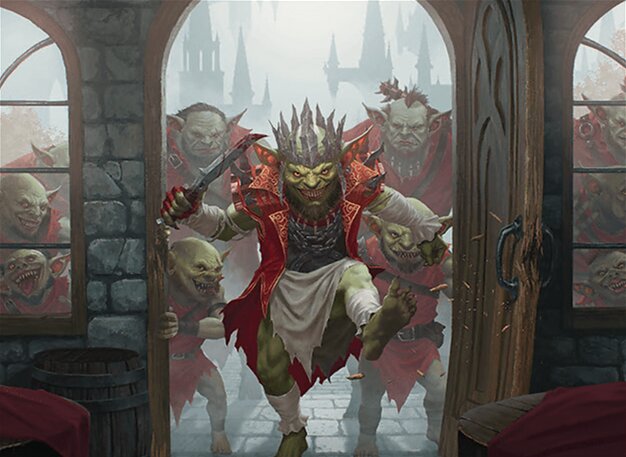
Goblin Commander decks look easy until they aren't. You cast cheap creatures, make a pile of tokens, turn everything sideways, and then someone untaps with Toxic Deluge and your entire plan is in the graveyard.
That is the trap. Goblins are fast, but fast is not the same thing as automatic. The best Goblin Commander decks win because they sequence pressure, protect their engine, and know when combat is no longer the cleanest way to end the game.
If you are choosing a Goblin commander or tuning an existing list, start by avoiding these mistakes.
Key takeaways
- Pick your commander for your table, not just for the highest ceiling.
- Do not commit every token maker before someone proves they cannot wipe the board.
- Treat haste, sacrifice outlets, and card refill as core deck pieces, not cute extras.
- Build at least one closing plan that does not require attacking with twenty 1/1s.
- Use your collection and deck tracker to spot whether your list is overloaded on bodies but light on payoffs.
Mistake 1: Choosing the best Goblin commander for the wrong table
The phrase "best Goblin commander" is slippery. Krenko, Mob Boss might be the strongest commander when he survives, but that does not mean he is right for every pod.
Krenko has one giant problem: everyone can read the card. If your table knows what happens after one untap, Krenko often eats removal before he makes a single token. That does not make him bad. It means your deck needs haste, protection, and a backup plan instead of pretending the commander will live by default.
Muxus, Goblin Grandee plays differently. Six mana is slower, but one resolved Muxus can rebuild a board from nothing and immediately find lords, haste, or combo pieces if your deck is stacked correctly. He is less elegant than Krenko, but he asks a different question: can the table beat one huge trigger?
Zada, Hedron Grinder is not a normal Goblin kindred commander. She wants cheap creatures, cantrips, and pump spells. If you build her like Krenko, she will feel clunky. If you build her like a spell engine that happens to use goblins, she becomes terrifying.
Wort, Boggart Auntie is the grindier option. She will not flood the table as quickly, but recurring goblins every upkeep matters in slower metas. If your pod has lots of removal and board wipes, Wort can be better than the flashier commanders because she keeps playing Magic after the first wipe.
Mistake 2: Playing every goblin as soon as you draw it
Goblins reward pressure, so it is tempting to empty your hand. Sometimes that is correct. If the blue player is tapped out and you can present lethal, go make them have it next game.
Most of the time, though, dumping every creature creates the exact board state that invites a wipe. You do not need twelve goblins on turn four if six already force blocks and threaten a lethal Shared Animosity swing next turn.
A better default is to ask one question before each extra creature: what changes if I cast this now? If the answer is "my board is bigger," that may not be enough. If the answer is "this gives haste," "this finds Goblin Bombardment," or "this turns on lethal," then the card has a job.
The difference is small, but it wins games. Keep one token maker or refill spell in hand when you are already ahead. Make the table answer your current board before you give them your next one.
Mistake 3: Treating haste like a bonus instead of a requirement
Goblin decks need haste more than almost any other kindred strategy. Krenko needs to tap. Token armies need to attack before a sorcery-speed wipe shows up. Even Muxus is much scarier when the goblins he finds can immediately swing.
Goblin Chieftain and Goblin Warchief are not just anthem cards. They are time machines. They turn a turn cycle of waiting into damage right now, and that matters when three opponents all get chances to untap.
The same logic applies to non-goblin haste enablers. Fervor, Rhythm of the Wild, and Mass Hysteria all change the texture of a game, though Mass Hysteria is risky because it helps everyone. If your list is built around tap abilities or combat math, count your haste cards during deckbuilding. Three haste effects can feel like plenty until one gets removed and the second is buried in the bottom half of your deck.
A practical target is five to seven haste sources in Krenko-style builds. Slower recursion shells can run fewer, but explosive token lists should not be hoping to untap naturally.
Mistake 4: Forgetting that sacrifice outlets are protection
A free sacrifice outlet looks like a combo piece. It is also a shield.
Goblin Bombardment changes every board wipe. Instead of losing fifteen goblins for nothing, you can send fifteen damage wherever it matters. Sometimes that kills a planeswalker. Sometimes it finishes the player who tapped out for the wipe. Sometimes it just turns a bad exchange into an even one.
Skirk Prospector does the same thing with mana. If someone casts Cyclonic Rift or Farewell, sacrificing goblins for red mana can let you cast a response, rebuild after the wipe, or power out a finisher before priority moves on.
This is why Goblin decks should not think of sacrifice outlets as optional spice. They are part of the deck's defensive structure. You are going to get wiped. The question is whether your dying board does something useful on the way out.
Mistake 5: Building all engine and no actual closing plan
A Goblin deck can generate absurd numbers and still fail to win. Twenty goblins look scary until someone has a pillow fort, a fog, a bigger lifelink blocker, or enough removal to pick off your lords.
You need closers that convert bodies into damage without relying only on combat. Impact Tremors is one of the cleanest options because every token becomes damage to each opponent. Purphoros, God of the Forge is pricier, but the effect is brutal. Pashalik Mons punishes removal and lets sacrifice lines become reach.
Combat finishers still matter. Shared Animosity is one of the best because it scales with the number of attackers, not their printed power. Ten 1/1 goblins can suddenly represent 100 damage before blocks. That is not subtle, but subtle is not what Goblins signed up for.
The mistake is choosing only one lane. Good Goblin decks threaten combat and noncombat damage. That forces opponents to answer more than one permanent type and makes their removal awkward.


Mistake 6: Cutting lands because the deck is cheap
Yes, Goblins have a low curve. No, that does not mean you get to play 29 lands and call it discipline.
Commander games are longer than your opening hand. You need mana to recast your commander, rebuild after wipes, activate abilities, and double-spell on key turns. Krenko costing four mana once is fine. Krenko costing six or eight after removal is where greedy mana bases start losing games.
Most Goblin Commander decks should start around 35 to 37 lands. If your average mana value is extremely low and you run enough impulse draw or rituals, you can test lower. But test it honestly. If your deck keeps losing with three cards stranded in hand, the problem is not that Goblins are weak. The problem is that your mana base is lying to you.
Utility lands help without slowing the deck too much. Den of the Bugbear gives you late-game bodies. Castle Embereth turns a wide board into more damage. War Room gives mono-red lists a way to draw cards when the hand runs dry.
Mistake 7: Ignoring card refill until your hand is empty
Old red decks had a real card advantage problem. Modern red has tools, but you still have to play them.
Impulse draw is your friend. Light Up the Stage, Reckless Impulse, Wrenn's Resolve, and Jeska's Will help you keep moving after the first wave. They are especially good because Goblin decks can often cast multiple cheap cards in the same turn.
Creature-based refill also matters. Rundvelt Hordemaster turns dead goblins into more cards from the top of your library. Goblin Ringleader digs for more goblins. Muxus, Goblin Grandee is practically a refill spell when your deck has enough hits.
The trick is timing. Do not wait until you have zero cards and no board. Refill while you still have pressure, so opponents have to decide whether they are answering the battlefield or the next wave.
Mistake 8: Letting your deck tracker hide the real imbalance
A Goblin deck can look balanced at a glance because the curve is low and the creature count is high. That does not mean the roles are balanced.
When you review the list, separate your cards by job:
- Token makers
- Haste enablers
- Sacrifice outlets
- Card refill
- Removal
- Combat finishers
- Noncombat finishers
- Protection or recursion
If half your deck is token makers and lords, the list will goldfish beautifully and then fold to real interaction. If you have plenty of damage payoffs but only two ways to make a board, you will draw scary cards with nothing to feed them.
This is where using a deck builder helps. Sort by role, not just mana value. Then ask whether each category has enough redundancy to show up in a normal game.
A tighter Goblin Commander checklist
Before your next game, run the list through this quick check:
- Do I have at least five haste sources if my commander needs to tap or attack?
- Do I have three or more free or cheap sacrifice outlets?
- Can I win without combat if blockers or fogs show up?
- Can I rebuild after the first board wipe?
- Am I running enough lands to recast my commander twice?
- Does my commander match my table's removal speed?
- Do my best opening hands still work if the commander dies?
If the answer to any of those is no, you have found the next upgrade.
The real lesson
Goblin Commander decks do not lose because Goblins are fragile. They lose because players build them like the table will politely let them do the obvious thing.
Build for the interruption instead. Give Krenko haste. Give Muxus a stacked deck. Give your tokens a sacrifice outlet. Give your hand a way to refill. Once your deck can survive the first answer, the little red idiots start looking a lot less funny.
If you are tuning a Goblin list, GrimDeck can help you split your deck into roles, check the curve, and see whether your collection already has the missing haste, sacrifice, and refill pieces. Start in decks, then connect it with collection when you want upgrades you actually own.
Frequently Asked Questions
The biggest mistake is dumping every goblin onto the battlefield without a protection plan or a way to profit from a board wipe. Goblins are explosive, but one Wrath of God can erase three turns of setup if you do not hold backup cards.
Krenko, Mob Boss is usually the best Goblin commander for pure token explosiveness. He is less ideal if your table removes commanders on sight, because the whole deck can stall when Krenko gets killed before tapping.
Most Goblin Commander decks should play at least a few combo-adjacent pieces like Skirk Prospector, Goblin Recruiter, or Goblin Bombardment. You do not need to go full cEDH, but the deck needs ways to win when combat gets blocked.
Most Goblin Commander decks want around 35 to 37 lands, depending on curve and ramp. Low curves can trim slightly, but do not cut lands just because your goblins are cheap; commander tax and rebuild turns still cost mana.
Goblin decks recover by holding refill spells, keeping a sacrifice payoff on board, and not committing every token maker at once. Cards like Goblin Bombardment, Pashalik Mons, and impulse draw effects make wipes less devastating.
Related Posts

How to Choose a Merfolk Commander by Game Plan
Pick the right Merfolk commander for EDH by matching Kumena, Hakbal, Tishana, Sygg, or Svyelun to your deck's real plan.

Pantlaza vs Gishath: Which Is the Best Dinosaur Commander?
Pantlaza vs Gishath: which is the better Dinosaur commander? A direct comparison of ramp, curve, consistency, and payoff to help you decide.

Best MTG Zombie Commanders: Wilhelt, Scarab God, Varina
See the best zombie commanders in MTG for EDH, including Wilhelt, The Scarab God, Varina, Gisa and Geralf, and Ghoulcaller Gisa.